Real-World Practice

CPR to Organ Donation: When One Life Can Become Many

A Social Awareness Initiative by Mumbai ISCCM


There are moments in life when everything changes in a matter of seconds.

A person collapses. Someone calls for help. A chest is exposed, hands begin pressing firmly and rhythmically, and suddenly an ordinary moment becomes a place of urgency.

“Start CPR.”

Cardiopulmonary resuscitation, or CPR, is one of the simplest yet most powerful interventions in medicine. It attempts to restore circulation when the heart has stopped beating effectively. Every second matters, because prolonged lack of circulation can cause irreversible injury to the brain and other vital organs.

But sometimes, despite every compression, every shock, every medication and every medical intervention, the heart does not restart.

For the family, it can feel like the end of everything.

The hands that start CPR

CPR is not only a medical procedure performed by doctors. It is a community skill.

When CPR cannot bring someone back

Not every cardiac arrest can be reversed.

Sometimes, despite prolonged resuscitation and advanced critical care, a patient suffers catastrophic and irreversible brain injury. In selected circumstances, this may progress to brain-stem death.

Brain-stem death is not the same as coma. A person in a coma may retain brain function and, depending on the cause and severity of injury, may potentially recover. Brain-stem death represents irreversible loss of brain-stem function and is legally recognised as death in India.

A ventilator may continue to move air into the lungs, and the heart may continue beating for some time because circulation is medically supported. To a grieving family, this can understandably be confusing.

The chest may rise and fall. The heart may still beat.

But the person has died.

This is one of the most difficult concepts for families to understand — and one of the most important conversations healthcare professionals must handle with clarity, compassion and dignity.

From one loss, the possibility of many lives

When brain-stem death is formally established through the prescribed medical and legal process, the family may be approached regarding organ donation.

This is not about taking organs from someone who could recover.

Organs are never retrieved at the cost of a person’s life.

If the family consents and the patient is medically suitable, organs and tissues may potentially help others — including the heart, lungs, liver, kidneys, pancreas, intestine, corneas, skin, bones and heart valves.

Imagine a family sitting beside their loved one after receiving the most devastating news of their lives.

And somewhere else, perhaps:

A young person is waiting for a heart.

A mother is waiting for a kidney.

A child is waiting for a liver.

Someone who has spent years dependent on dialysis is hoping for a different life.

The donor family cannot bring their loved one back.

But their decision may allow someone else to go home.

That is the extraordinary human side of organ donation.

Beyond the ICU: Building a more aware Mumbai

Education should not remain limited to healthcare professionals.

A more informed community creates a stronger chain of survival.

Talk to your family today

One of the simplest things a person can do is tell their family:

“If something happens to me, I want to donate my organs.”

Registering your intention to donate is an important step, but communicating that decision to loved ones is equally important.

When tragedy occurs, families are overwhelmed by shock and grief. Knowing what their loved one wanted can make an incredibly difficult decision a little clearer.

Organ donation does not have to be a conversation that begins inside an ICU.

It can begin at the dinner table.

It can begin with one simple question:

“What would you want us to do if you were ever in this situation?”

Do not let myths make the decision for you

There are many misconceptions surrounding organ donation.

Some fear that doctors may not try as hard to save a registered donor. The priority during an emergency is always to save the patient’s life. Treatment and resuscitation decisions are separate from decisions regarding organ donation.

Some worry that donation will disfigure the body. Organ retrieval is performed surgically, with the donor’s body treated with dignity and respect.

Others believe organ donation may conflict with their faith or culture. Views vary, and people should have accurate information so they can make an informed personal decision.

Another misconception is: “My organs won’t be useful.”

Medical suitability is assessed at the time of death. It is not something most people can determine for themselves in advance.

Two links in the same chain

One is about trying to save a life.

But they are connected by one powerful idea:

Every life matters.

CPR teaches us to act when someone collapses.

One represents the fight to bring a person back.

The other represents the possibility of allowing their story to continue.

The vision of Mumbai ISCCM

As critical care professionals, we see life at its most fragile.

We see families wait outside ICU doors. We see teams perform CPR when every second matters. We see patients recover against the odds.

And sometimes, we see families face the unbearable reality that their loved one cannot be brought back.

In those moments, medicine is not only about drugs, machines and procedures.

It is also about communication, compassion, dignity and humanity.

The vision of Mumbai ISCCM is to take these values beyond the ICU — to educate, empower and engage our community; strengthen awareness about resuscitation and organ donation; and build a society that understands not only how to save a life, but also how one life can give hope to many others.

So learn CPR.

Teach someone CPR.

Talk to your family about organ donation.

Know what your loved ones would want.

Because one day, a decision made in a quiet conversation today may become someone else’s second chance at tomorrow.

One heartbeat can stop.
One family can grieve.
And yet, through an act of extraordinary generosity, many lives may continue.

Save a life today.
And consider giving life beyond your own.

Mumbai ISCCM

Educating. Empowering. Saving lives.
Building a more compassionate society.

Real-World Practice: Cases, Debates, Panels and Implementation Conversations
My Vision for Mumbai ISCCM

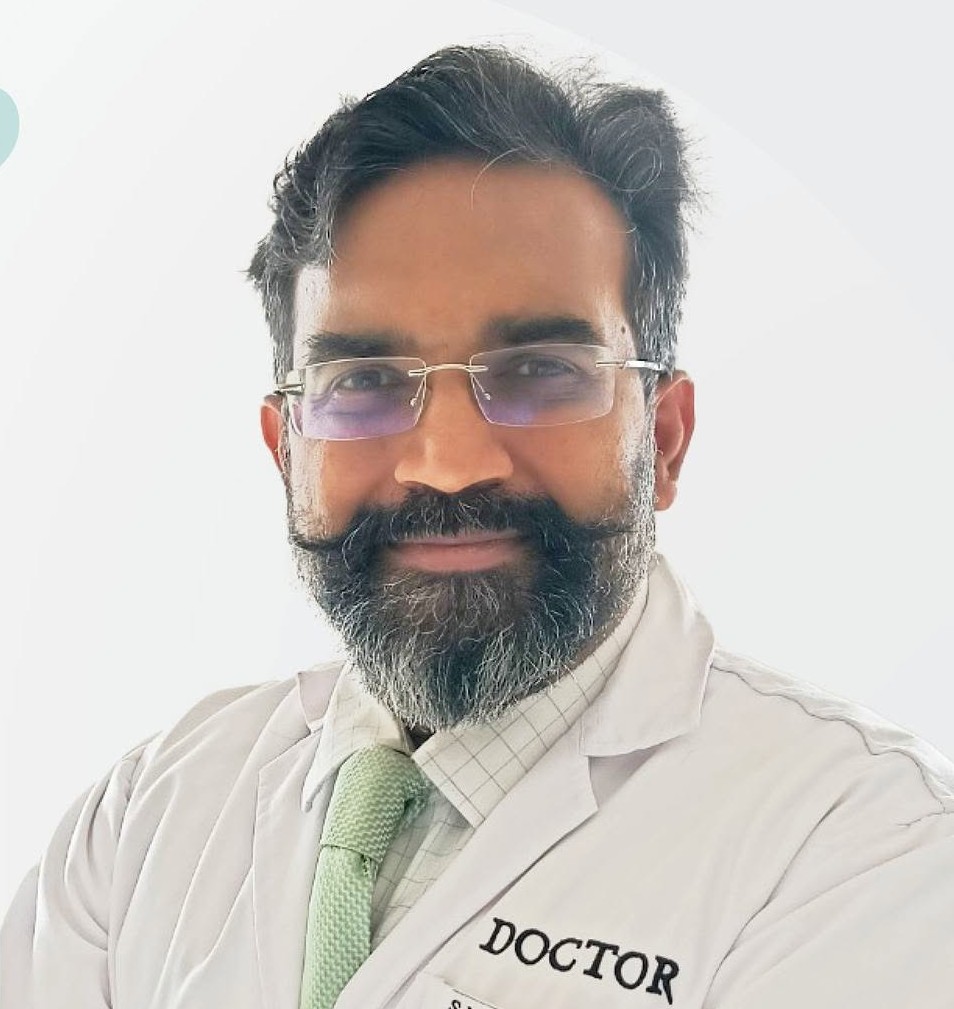
Dr Sanjith Saseedharan

Critical care has reached an interesting crossroads.
We have more guidelines than ever before. We have more evidence, more technology, more monitoring, more therapeutic options and, increasingly, more algorithms telling us what we should do.And yet, anyone who has spent enough years inside an ICU knows one uncomfortable truth:The difficult part of critical care is rarely knowing the guideline. The difficult part is knowing what to do when the patient in front of you does not behave like the guideline.

That, to me, is where Mumbai ISCCM has an enormous opportunity.

My vision is to make our academic platform increasingly focused on real-world practice—the space where evidence meets uncertainty, physiology meets logistics, and recommendations have to survive the realities of an ICU at 2 a.m.
I would like Mumbai ISCCM to become a forum where we move beyond simply asking, “What does the literature say?” and begin asking, “What exactly will I do for this patient tomorrow morning?”
From lectures to clinical conversationsThe conventional lecture will always have a place in medicine. We need experts to teach us what has changed, what the trials show and what the guidelines recommend.But learning becomes far more powerful when the audience is forced to make a decision.

Consider a patient with septic shock on increasing norepinephrine, worsening lactate, bilateral infiltrates and a collapsing blood pressure. Do we give more fluid? Which fluid? How much? Do we perform a passive leg raise? What if the patient is ventilated with high PEEP? What does the echocardiogram show? At what point do we start vasopressin? When does hydrocortisone enter the conversation?There may be no single slide that answers all these questions.
This is where case-based discussions become invaluable.Rather than presenting the final diagnosis and management, we should reveal the case sequentially. Allow the audience and panel to make decisions at each stage. Then introduce the next piece of information.

The purpose is not merely to find the “correct answer.” It is to expose the reasoning.
Why did you choose that intervention? What physiological problem are you trying to correct? What evidence supports it? What could go wrong? What would make you change your mind?That is how experienced clinicians actually practise medicine.Debates should illuminate the grey zones.Critical care is full of areas where intelligent clinicians can look at the same evidence and reasonably practise differently.Early versus delayed renal replacement therapy. Liberal versus restrictive fluids. High versus moderate protein delivery. NIV versus early intubation. Recruitment manoeuvres. Corticosteroids. Albumin. Anticoagulation strategies. Duration of antibiotics. Tracheostomy timing.These discussions should not become theatrical arguments where one side must “win.”
A good debate should make the audience slightly uncomfortable about the certainty with which they held their original position.
The debater should be asked not merely to defend a position, but to define the patient in whom that position is likely to work—and the patient in whom it could be harmful.That is where nuance enters medicine.
I would therefore like our debates to end with an important question:“After hearing both sides, what will you actually do differently in your ICU?”Because education without a change in behaviour is interesting—but implementation is what ultimately changes outcomes.

Panels must move beyond expert opinion.Panel discussions are extraordinarily valuable when structured properly.
Instead of asking broad questions such as “How do you manage ARDS?”, we should present precise dilemmas.
A patient with severe ARDS is on PEEP 14 cm H₂O, plateau pressure 28, driving pressure 15 and worsening oxygenation. Would you prone? Would you recruit? Would you increase PEEP? Would you measure oesophageal pressure? Would you consider ECMO?
Now the panel becomes meaningful.Different experts may choose different approaches, but each must explain the physiological and evidentiary basis for that decision.

Importantly, panels should include the practical barriers we face in India.What if ECMO is unavailable?
What if the patient cannot afford repeated molecular diagnostics?What if a dietitian is not available round the clock?What if nurse-to-patient ratios are constrained?What if the latest recommended antimicrobial is unavailable or unaffordable?Indian critical care cannot simply be a transcription of Western guidelines. We need to interpret global evidence through the realities of Indian intensive care.Mumbai, with its extraordinary diversity of public hospitals, teaching institutions, corporate hospitals and nursing homes, is perhaps one of the best laboratories in the country for these conversations.

The implementation conversationOne area I feel especially strongly about is implementation.
We frequently attend excellent conferences, return inspired—and by Monday morning, very little has changed.Therefore, after important sessions, I would like us to ask:How will we implement this?If we agree that malnutrition and muscle loss matter, do our ICUs actually measure nutritional risk, protein delivery and muscle function?If antimicrobial stewardship is important, who reviews antibiotics at 48–72 hours?If lung-protective ventilation saves lives, are tidal volumes and driving pressures being audited?If delirium prevention matters, are we measuring it?If early mobilisation works, who owns the process?This is where Mumbai ISCCM can move from being purely an academic organisation to becoming a clinical improvement community.Sessions can conclude with simple implementation tools—checklists, algorithms, bedside protocols, audit parameters and measurable targets.Three months later, centres can return and tell us what happened.

Not just, “We learnt this.”But-We implemented it.”
“Here were the barriers.”
“Here is what changed.”
That conversation could be transformational.Bringing the multidisciplinary ICU into the room.Modern intensive care is not delivered by the intensivist alone.Nurses, physiotherapists, dietitians, pharmacists, microbiologists, respiratory therapists and technicians influence outcomes every single day.Our real-world sessions should therefore increasingly represent the entire ICU ecosystem.
Imagine a difficult ventilator-weanng case discussed simultaneously by an intensivist, respiratory therapist, physiotherapist and nurse.Or an ICU nutrition case where the intensivist, dietitian and rehabilitation specialist examine the same patient from different perspectives.That is how care is actually delivered.Learning from failure.We must also create a culture where we can discus cases that did not go well.Not morbidity meetings designed to assign blame, but cognitive autopsies.Where did our reasoning fail?
Was there premature closure?Did we anchor on the first diagnosis?Did we continue fluids because the blood pressure was low without asking whether the patient was fluid responsive?
Did we escalate antibiotics when the real problem was source control?Some of our greatest lessons come from patients we could not save.A mature academic community must be able to discuss those cases with humility.

My vision

Ultimately, my vision for Mumbai ISCCM is simple.I want someone attending one of our meetings to walk into the ICU the following morning and practise slightly better medicine.I want the young intensivist to learn how experts think.I want the experienced intensivist to have belief challenged.I want the nurse to feel part of the scientific conversationI want evidece to meet physiology.
I want guidelines to meet reality. And I want our discussions to end not merely with applause, but with a question every clinician carries back to the bedside: “What am I going to do differently for my next patient?” If Mumbai ISCCM can repeatedly create that moment, we will have achieved something far more important than organising excellent academic programmes.
We will have created a culture of thinking, questioning, implementing and continuously improving critical care.
And that, in my view, is where a professional society creates its greatest impact.

Organ Transplantation & the Intensivist: What Should I know?

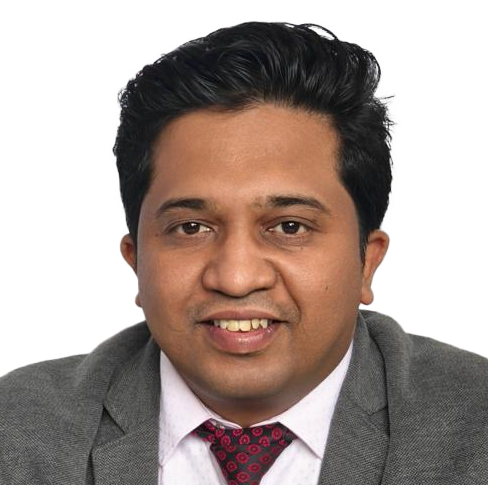
Dr Ketan Kargirwar

Why every intensivist should know transplantation

The intensive care unit is where deceased organ donation begins and where transplant recipients are rescued. India performed a record 20,138 organ transplants in 2025, yet only 3,526 came from deceased donors (NOTTO Annual Report 2025-26, via The Statesman). The national deceased donation rate remains below 1 per million population.

Every deceased donation depends on an intensivist who recognises brainstem death, certifies it correctly, maintains the donor physiologically and supports the family through consent. ZTCC Mumbai’s leadership has credited the city’s growth in donation to intensivists who identify and maintain brain-dead donors in ICUs (eHealth, 2024). On the other side of the operating theatre, liver, heart and lung recipients spend their most vulnerable days in our units.

The intensivist therefore holds three roles in the transplant pathway:

  1. Donor identification and certification: early recognition of the potential donor and mandatory brainstem death declaration.
  2. Donor management: haemodynamic, endocrine, ventilatory and metabolic care that preserves organ viability.
  3. Recipient care: pre-transplant optimisation of the critically ill candidate and post-transplant graft-focused intensive care.
 

The national framework: THOTA and the NOTTO network

Organ donation in India is governed by the Transplantation of Human Organs and Tissues Act (THOTA) 1994, amended in 2011 and supported by the 2014 Rules. The 2011 amendment added tissues, created registered retrieval centres and made a transplant coordinator mandatory in every registered hospital (DGHS, MoHFW).

The network has three tiers: one NOTTO at Safdarjung Hospital, New Delhi, 5 ROTTOs and 25 SOTTOs (ETV Bharat, 2025). Maharashtra has one SOTTO, combined with ROTTO West at KEM Hospital, Parel, since 2017; it covers Maharashtra, Gujarat, Goa, Madhya Pradesh, Chhattisgarh and Daman-Diu (ROTTO-SOTTO Mumbai). Below it, four Zonal Transplant Coordination Centres run city waiting lists and allocation.

Figure 1 · Organ-sharing network for Maharashtra · adapted from MoHFW NOTP guidelines and ROTTO-SOTTO Mumbai

In August 2026 the Union Health Ministry also released National Brain Stem Death Certification Guidelines and the e-Pratyaropan unified digital platform, both directly relevant to ICU practice (The Statesman).

Maharashtra and Mumbai: where we stand

Maharashtra ranked third nationally with 2,136 organ transplants in 2025, and fourth in deceased donation with 154 donors (NOTTO 2025-26, via Adda247). Pune led the state’s four ZTCCs with 79 donors, followed by Mumbai with 53 and Nagpur with 16 (Free Press Journal).

Figure 2 · Source: ZTCC Mumbai year-wise donor data (ztccmumbai.org), accessed 30 Sep 2026

Since 1997, Mumbai has recorded 805 deceased donors and 2,330 organ transplants (to 30 July 2026), including 1,307 kidney, 641 liver, 258 heart and 77 lung transplants (ZTCC Mumbai). A 24-year ZTCC review found that only about 10% of 18,226 registered Mumbai patients ever received an organ (eHealth).

Table 1. Organisations and registered centres

Level

Item

Number

Source

India

SOTTOs / ROTTOs

25 / 5

ETV Bharat, 2025

India

Hospitals on the NOTTO network (transplant, retrieval, tissue banks)

>1,200

ThePrint, 2026

Maharashtra

SOTTO (combined with ROTTO West, KEM)

1

ROTTO-SOTTO Mumbai

Maharashtra

Zonal Transplant Coordination Centres

4

Milaap

Maharashtra

Registered liver transplant centres (2022)

36

NMJI

Mumbai zone

Kidney transplant centres

38

ZTCC member list

Mumbai zone

Liver transplant centres

15

ZTCC member list

Mumbai zone

Heart and lung centres / heart-only centres

7 / 4

ZTCC member list

Mumbai zone

Pancreas / small bowel / hand centres

6 / 1 / 2

ZTCC member list

The ZTCC Mumbai member list was last updated in April 2021, so current counts are likely higher. A consolidated statewide count of Non-Transplant Organ Retrieval Centres (NTORCs) is not published on the ZTCC or SOTTO portals; confirm the current figure with ROTTO-SOTTO before publication.

The government pathway for liver and heart recipients

A patient cannot register directly with ZTCC; listing happens only through a registered transplant hospital. Patients registered with a ZTCC are automatically registered with SOTTO, and a patient may be listed through only one transplant centre within a SOTTO area (Maharashtra State Appropriate Authority Guidelines).

Figure 3 · Recipient pathway for liver and heart transplantation in Maharashtra · adapted from Maharashtra State Appropriate Authority guidelines and state health scheme notifications

Allocation. For deceased-donor livers, Mumbai offers the organ first to a super-urgent patient approved by an expert committee, then to the donor hospital, then to the city waiting list by blood group and priority score (ZTCC Mumbai). Heart and lung allocation follows separate ZTCC organ-specific guidelines.

Financing. Since July 2024 the combined AB-PMJAY and MJPJAY scheme provides ₹5 lakh per family per year to Maharashtra residents. In September 2025 the state cabinet approved support above that cap for nine high-cost treatments, including transplants (News on AIR): up to ₹22 lakh for liver and ₹15 lakh for heart transplantation (Devgatha). A corpus funded from 20% of approved claims and a dedicated committee now administer this support (The Live Nagpur).

Table 2. Prerequisites before listing

Domain

Liver transplant

Heart transplant

Indication

End-stage liver disease, acute liver failure, selected hepatocellular carcinoma

End-stage heart failure refractory to guideline-directed therapy

Severity marker

MELD / PELD; super-urgent criteria for acute liver failure

Functional class, inotrope or mechanical support dependence

Exclusions to screen

Active sepsis, extrahepatic malignancy, active substance use

Fixed pulmonary hypertension, active infection, irreversible end-organ failure

Psychosocial

Abstinence and adherence assessment, family support

Adherence assessment, caregiver commitment

Documents

Aadhaar and domicile proof, scheme card, hospital listing form

Same, plus cardiac work-up records

Living donor (liver)

Donor evaluation; Authorisation Committee approval under THOTA

Not applicable

Table 2 summarises commonly applied criteria from international and Indian practice; each centre’s listing protocol governs final eligibility.

What the intensivist must know today :

Transplant critical care now spans the whole continuum, from the potential donor in a non-transplant ICU to the recipient’s first post-operative week. The ISCCM position statement on potential organ donor management and the 2025 ISOT Delphi consensus on organ feasibility from brain-dead donors give Indian ICUs a shared standard (ISCCM, PMC; ISOT, Lancet Reg Health SE Asia). Maharashtra has also made declaration and certification of brainstem death mandatory in registered hospitals.

Table 3. Core competencies for transplant critical care, 2026

Domain

What the intensivist should be able to do

Legal and ethical

Apply THOTA 1994/2011 and Rules 2014; follow the 2026 National Brain Stem Death Certification Guidelines; complete mandatory required-request and police/medico-legal steps

Brainstem death

Recognise the potential donor early; perform two-set testing with apnoea test; know ancillary test indications

Donor management

Targeted haemodynamics and vasopressin; hormonal replacement where indicated; lung-protective ventilation and recruitment; temperature, electrolyte and glycaemic control

Marginal donors

Assess extended-criteria organs using structured feasibility tools rather than reflexive discard

Family communication

Lead breaking-bad-news and consent conversations with the transplant coordinator

Liver recipient

Manage acute liver failure, cerebral oedema, coagulopathy (viscoelastic-guided), hepatorenal syndrome, early graft dysfunction and vascular complications

Heart and lung recipient

Manage primary graft dysfunction, right ventricular failure, vasoplegia, and mechanical circulatory support including ECMO

Infection and immunosuppression

Apply risk-based prophylaxis, recognise opportunistic and multidrug-resistant infection, monitor calcineurin-inhibitor toxicity

Systems and quality

Use the e-Pratyaropan registry, track conversion rates and donor-management quality indicators

Emerging practice

Understand donation after circulatory death, normothermic regional and machine perfusion, and their implications for ICU workflows

Our vision for ISCCM Mumbai

Mumbai has world-class transplant centres, yet 9 in 10 registered patients never receive an organ, and public hospitals contributed only 6 of 260 deceased donations between 2017 and 2022 (Hindustan Times). The gap is not surgical capacity; it is donor identification, certification and ICU-level donor care. That gap belongs to intensivists, and so does the solution.

We propose that the ISCCM Mumbai branch members to commit to four pillars:

  1. Every ICU a donation-ready ICU. Support every critical care unit in the city, public and private, to identify potential donors, constitute a functional Brain Stem Death Committee and apply the 2026 national certification guidelines uniformly.
  2. A trained workforce. Run regular accredited workshops on brainstem death certification, donor management, family communication and transplant recipient care, open to consultants, residents, nurses and transplant coordinators.
  3. Public hospitals as partners. Build a mentorship network linking experienced transplant ICUs with municipal and government hospital ICUs, where the greatest untapped donor potential lies.
  4. Measure what matters. Develop a shared set of ICU quality indicators, including potential-donor referral rate, brainstem death declaration rate, consent rate and organs transplanted per donor, and publish city-wide results in partnership with ZTCC Mumbai and ROTTO-SOTTO.

Beyond these pillars, ISCCM Mumbai can serve as the critical care voice in state allocation and policy committees, contribute to national guidelines, and lead multicentre research in donor and recipient care.

Our aspiration is simple: no potential donor in a Mumbai ICU should go unrecognised, and no transplant recipient should receive anything less than expert critical care. Every intensivist in this city is a link in the chain of life.

References

  1. National Organ and Tissue Transplant Organisation. Annual Report 2025-26. Ministry of Health and Family Welfare; 2026. Reported by The Statesman and Adda247.
  2. Directorate General of Health Services. Transplantation of Human Organs and Tissues Act and National Organ Transplant Programme. MoHFW.
  3. Zonal Transplant Coordination Centre, Mumbai. Year-wise donor and transplant data and member hospitals. Accessed 30 September 2026.
  4. State Appropriate Authority, Maharashtra. Guidelines for Cadaver Transplant Program.
  5. ROTTO-SOTTO, KEM Hospital, Mumbai.
  6. Management of Potential Organ Donor: Indian Society of Critical Care Medicine Position Statement. Indian J Crit Care Med.
  7. Balwani MR, Kute VB, et al. ISOT position statement on the feasibility of an organ for transplantation from brain-dead deceased donors: a Delphi consensus. Lancet Reg Health Southeast Asia. 2025.
  8. The Status of Liver Transplantation in India. Natl Med J India.
  9. Maharashtra Cabinet decision on treatments above ₹5 lakh, News on AIR, September 2025; package amounts via Devgatha.
  10. ZTCC Pune records highest organ donations in Maharashtra. Free Press Journal; 2026.
  11. 800 medical colleges capable of retrieving organs but just 200 do. ThePrint; 2026.